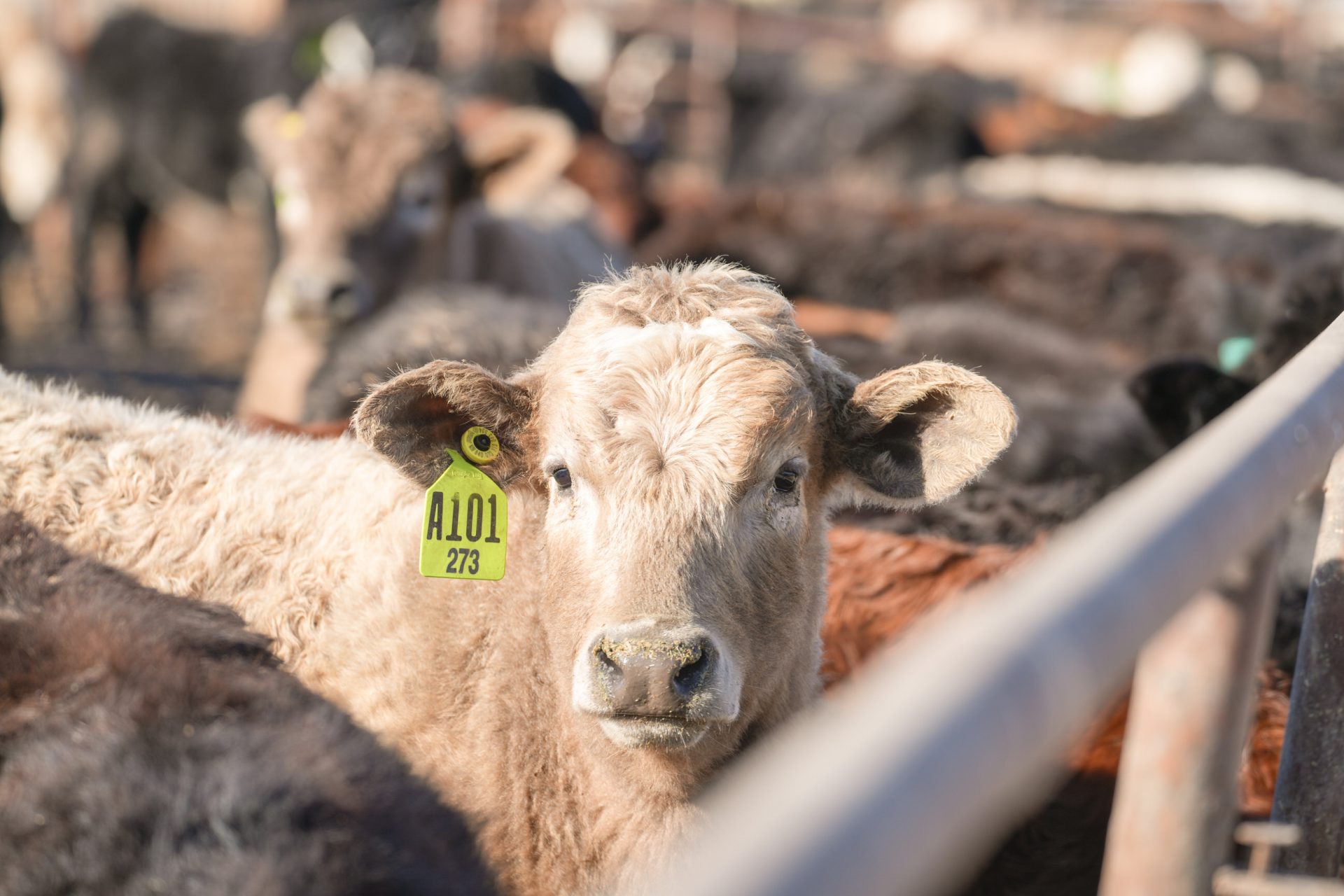
Springtime Feedlot Bloat: What Producers Should Watch For and How Micro-Aid® Can Help
By Justin Clopton
Account Leader, DPI GLOBAL
Spring is a busy time in cattle production. Weather begins to shift, cattle move through different production phases, and feeding programs often adjust with the season. While many producers associate bloat with lush pastures, it can also appear in feedlot systems; especially when cattle are transitioning from roughage to a high-energy based diet.
When rumen fermentation becomes unbalanced, gas can accumulate faster than the animal can release it. In feedlot cattle, this can lead to frothy bloat that develops quickly and can impact both animal health and performance.
Understanding why bloat occurs and how to manage the risk is key to keeping cattle performing through seasonal transitions.
Why Bloat Can Occur in Feedlot Diets
Feedlot bloat is closely tied to rumen fermentation dynamics. Cattle on high-concentrate diets experience rapid microbial activity in the rumen, which can lead to excessive gas production and the formation of foam that traps gas.
Spring can introduce additional factors that influence rumen stability, including:
- Weather fluctuations that affect feed intake patterns
- Cattle transitioning between diets or production phases
- Variability in feed ingredients or ration adjustments
- Inconsistent intake during seasonal weather shifts
When these factors combine with highly fermentable diets, the risk of rumen imbalance and bloat can increase.
Signs Producers Should Watch For
Recognizing the early signs of bloat can make a major difference. Producers who work with cattle every day are often the first to notice when something isn’t right.
Common signs of bloat include:
- Swelling on the left side of the abdomen behind the ribs
- Restlessness or cattle kicking at their belly
- Heavy breathing or excessive drooling
- Reduced feed intake
- In severe cases, cattle may collapse suddenly
Because bloat can escalate quickly, early detection and action are critical.
Management Strategies to Reduce Risk
Reducing the risk of feedlot bloat starts with maintaining rumen stability and consistent feeding practices.
Producers often manage risk by:
- Maintaining consistent bunk management and feeding schedules
- Avoiding sudden ration changes
- Ensuring adequate roughage levels in finishing diets
- Managing particle size within the ration
- Supporting rumen health during diet transitions
These strategies help keep fermentation predictable and reduce the likelihood of excessive gas accumulation.
Where Micro-Aid® Fits in Feedlot Programs
Micro-Aid, a DPI saponin solution, has been trusted by producers for decades to support rumen health and overall herd performance.
In feedlot cattle, Micro-Aid works by supporting a more stable rumen environment, especially when animals are consuming highly fermentable diets.
Research has shown that Micro-Aid can:
- Support balanced rumen fermentation
- Help reduce ammonia and gas accumulation in the digestive system
- Promote more efficient nutrient utilization
- Support cattle performance during high-energy feeding programs
By helping stabilize the rumen environment, Micro-Aid can be a valuable tool during seasonal transitions when feeding conditions and intake patterns may shift.
Staying Ahead of Springtime Challenges
Spring brings new opportunities in cattle production, but it can also introduce challenges as feeding patterns and environmental conditions change.
By combining strong feedlot management practices with proven nutritional tools like Micro-Aid, producers can reduce the risk of digestive disruptions and keep cattle performing through the finishing phase.
For more information about how Micro-Aid supports rumen health and feedlot performance, contact Justin Clopton at jclopton@dpiglobal.com.
Meet the Author: Justin Clopton
Account Leader, DPI GLOBAL
Justin Clopton is an Account Leader at DPI GLOBAL, with more than a decade of experience specializing in the poultry and ruminant sectors. He manages territories in Australia, Mexico, and the United States, focusing on delivering practical, science-based solutions that benefit both animals and producers. In addition to his account leadership responsibilities, Justin leads DPI GLOBAL’s poultry strategy efforts, driving growth and advancing solutions tailored to the unique needs of the poultry industry.
When he’s not working with clients, Justin enjoys spending time with his family, raising cattle, and finding new ways to contribute to the agricultural community.